
OPPO find x3 reviews
You might know of Oppo as a company opaquely related to OnePlus, but it recently became the leading smartphone maker in China — the beneficiary of Huawei’s sanctions-induced slide in sales even in its home market. As such, the new Find X3 Pro flagship is an important handset for the company, presenting an opportunity to solidify its place as a major player in premium smartphones.
And this time around, Oppo isn’t keeping the Find X3 Pro in China. The company still doesn’t sell phones in the US, but there are international models with Google services available in countries like the UK, where it starts at £1,099 (about $1,500). If you have the option and you’re shopping for a high-end phone, it’s worth checking out, because this is one of the sleekest Android devices you’ll see this year.
GOOD STUFF
- Sleek design
- Great design
- Strong all-around performance
Bad stuff
- Microscope camera is cool but no every useful
- No periscope telephoto
- Expensive and not wildly available world-wide
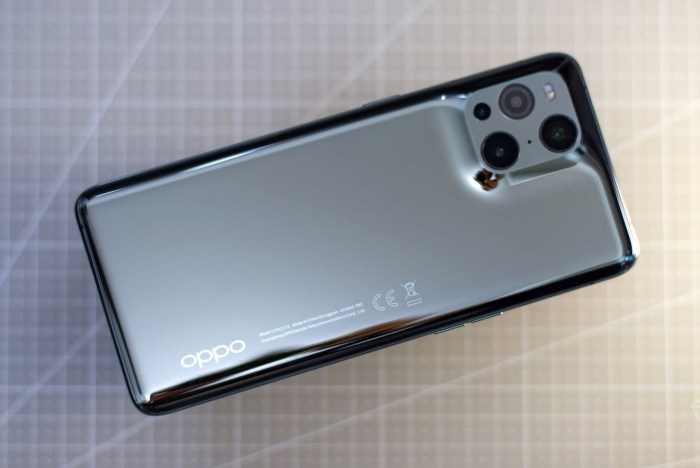
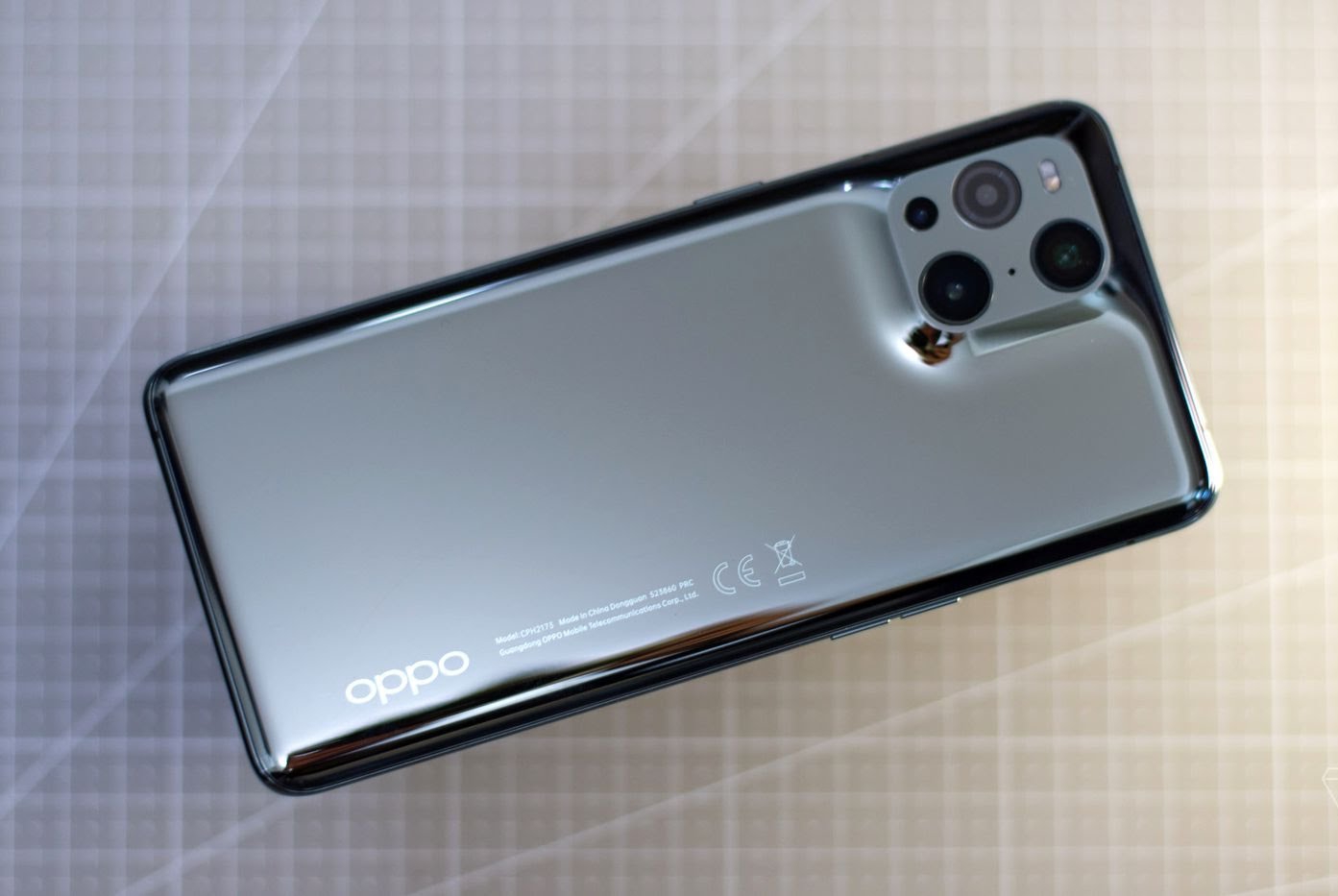
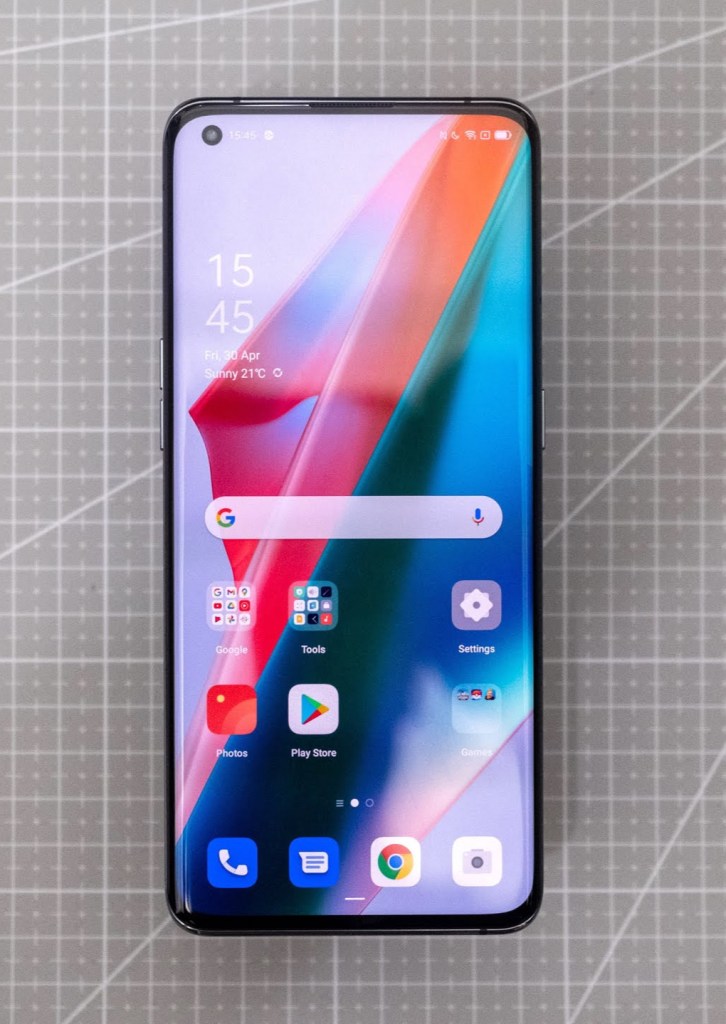
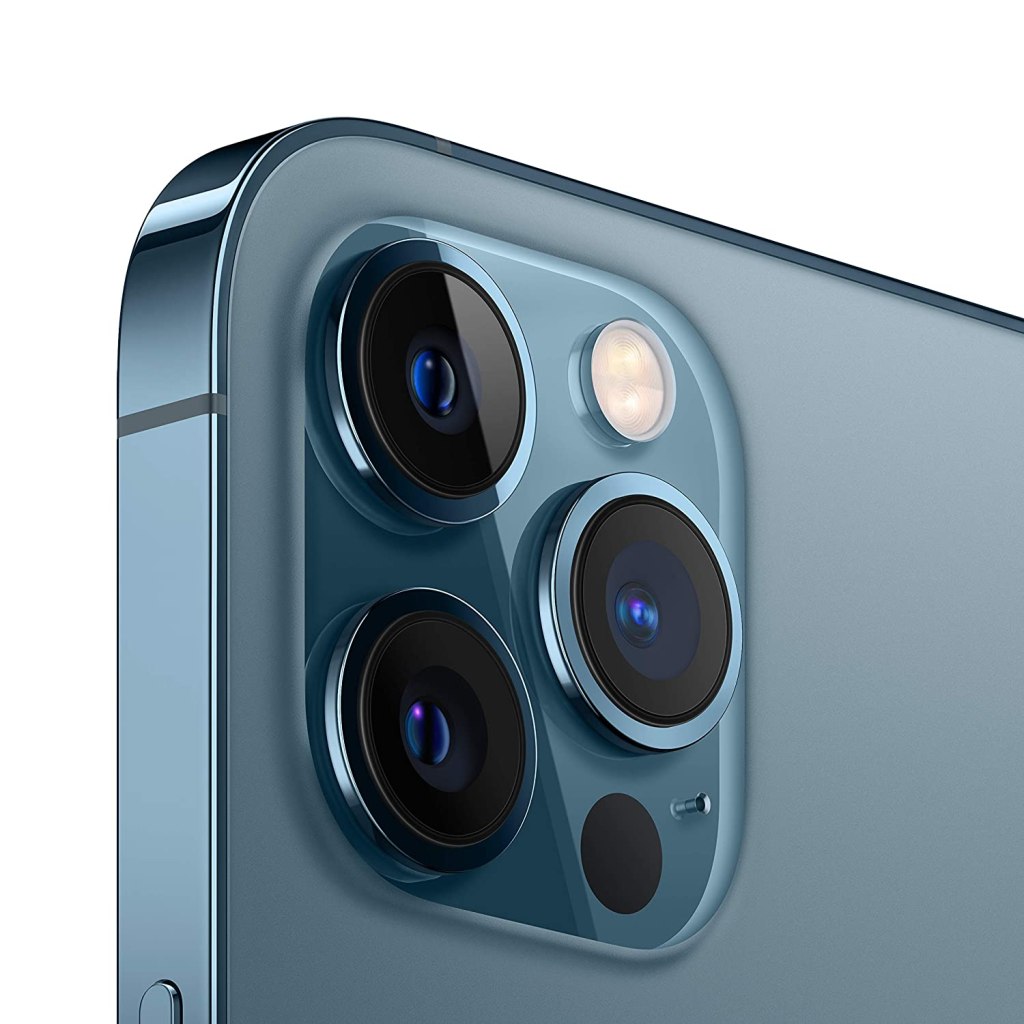
From the front, the Find X3 Pro looks almost identical to the OnePlus 9 Pro. Both phones have a 6.7-inch 1440p 120Hz curved OLED screen with a hole-punch selfie camera in the top left; since Oppo and OnePlus share a supply chain, it’s almost certainly the same Samsung panel.Turn the Find X3 Pro around, though, and it looks nothing like the OnePlus — or any other phone, really. The camera bump is somewhat reminiscent of the iPhone 12 Pro in its arrangement of three lenses within a rounded square, but the bump is part of a single piece of glass that smoothly rises up to accommodate the cameras. Coupled with the mirrored finish, it makes the phone look like something out of Terminator 2 — at least until you get your fingerprints all over it.The Find X3 Pro feels relatively light and thin for a 2021 flagship phone, at 193g and 8.3mm thick, and the total lack of sharp edges anywhere on the device makes it very comfortable to hold. I’ve also been using it with an included Kevlar-style case that preserves almost all of the device’s thinness, which is a relief because this is one phone I would not want to risk dropping.
Like the OnePlus 9 Pro, the Find X3 Pro has a very good screen. However, Oppo is aiming to differentiate it with what it describes as the first full-path 10-bit color management system for Android, allowing you to capture and view more than a billion colors as opposed to the 16.7 million on other devices. The Find X3 Pro software even includes eye tests to help the display compensate for various forms of color blindness.
I haven’t been able to see a huge difference between this and other displays in general use, but we don’t yet live in a 10-bit world. In all likelihood, you’ll only ever make use of this capability by creating your own content with the Find X3 Pro’s cameras, and even then the advantage is going to seem niche.
As for the cameras themselves, the Find X3 Pro has a respectable array of hardware. The heart of the system is two identical 50-megapixel Sony IMX 766 sensors for the main camera and the ultrawide; it’s not the biggest sensor out there, but it more than holds its own against flagship competitors. Oppo’s color tuning and HDR grading is relatively restrained, and it’s both unusual and refreshing to have an ultrawide that performs just as well in terms of resolution and dynamic range as the primary camera.




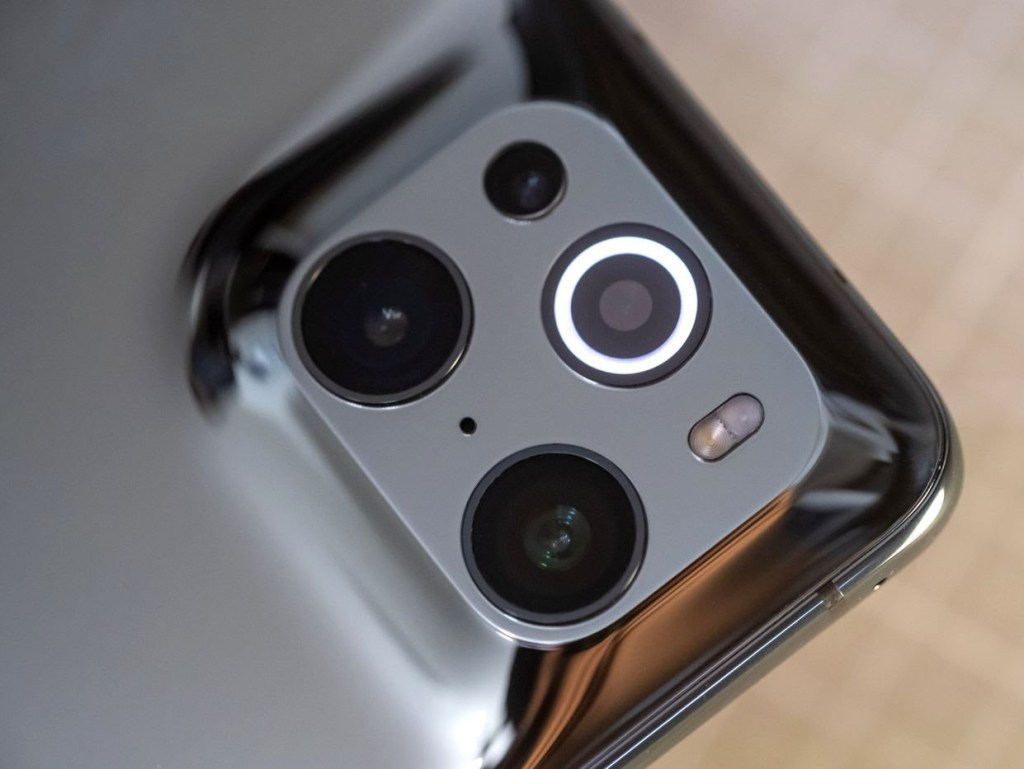
There’s also a 13-megapixel 2x telephoto camera, which doesn’t match the other cameras’ performance. This is a little disappointing from Oppo, which did more than any other company to popularize periscope telephoto cameras. Granted, zoom lenses are never the best-quality optics on a smartphone, but this feels like a step back from the 5x unit on last year’s Find X2 Pro. You could make the case that a 2x zoom is more versatile because it improves the quality of shots between 2x to 4.9x, but why not include both?I can ask the “why not both” question with a reasonable degree of fairness because Oppo chose to allocate a large section of the camera bump to a bizarre microscope tool. The three-megapixel sensor has a lens in front of it that Oppo says is capable of up to 60x magnification, and there’s even a ring light around the glass to illuminate subjects that would otherwise be obscured by the phone’s shadow.
Is this cool? Admittedly, yes. It’s quite difficult to get subjects in full focus because of the extremely shallow depth of field, but you can absolutely capture ethereal images unlike anything you’ve ever seen from a smartphone by holding the Find X3 Pro up to threads, food, or OLED screens. But is it useful? Perhaps this is a failure of imagination on my part, but I think I’d take the periscope zoom. If you can think of a ton of reasons you might want a microscope-class camera on a phone, by all means enjoy this one.


An Iphone 12 mini screen


The Find X3 Pro’s overall performance is as good as you’d expect from any other Snapdragon 888-equipped flagship. Oppo’s ColorOS skin is far snappier than it used to be, to the point that OnePlus itself is using it for phones in China now. The 4,500mAh battery doesn’t quite make this a two-day phone, but I never had any problem getting through a single day of heavy use.Battery life is helped by the fact that Oppo has finally put wireless charging on a flagship phone. This was by far my biggest complaint about its predecessor — it might not be a big deal for everyone, but if you’re used to wireless charging, the lack of it is absolutely a dealbreaker. Oppo’s 30W wireless system can supposedly charge the Find X3 Pro to 100 percent in 80 minutes, though I don’t have the necessary proprietary charger to test that. The wired charger, meanwhile, is 65W and gets you a 40-percent charge in ten minutes.
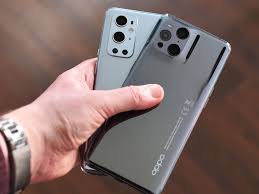
It sounds minor, but the addition of wireless charging is really all I needed to be happy with the Find X3 Pro as an everyday phone. I’ve been using it daily for about six weeks now, and I have very few complaints. I could’ve done without the microscope camera, sure, but Oppo is now as capable as any other Android manufacturer at turning in legitimately premium, performant phones.
Don’t think you’ll get it at the sort of brand discount that OnePlus made its name with, though. The Find X3 Pro’s starting price in the UK is just £50 less than Samsung’s Galaxy S21 Ultra. I think the Find X3 Pro is a reasonable competitor to that device, but I can’t see too many people picking it over the larger and more trusted brand.
Still, the Find X3 Pro is an excellent device on merit, and further cements Oppo as a company worth paying attention to.
This shouldn’t be surprising, of course, but the best phone from one of China’s biggest players is one of the best phones you’ll find anywhere.
 Nae Tech